


Extensions
RDM Extensions
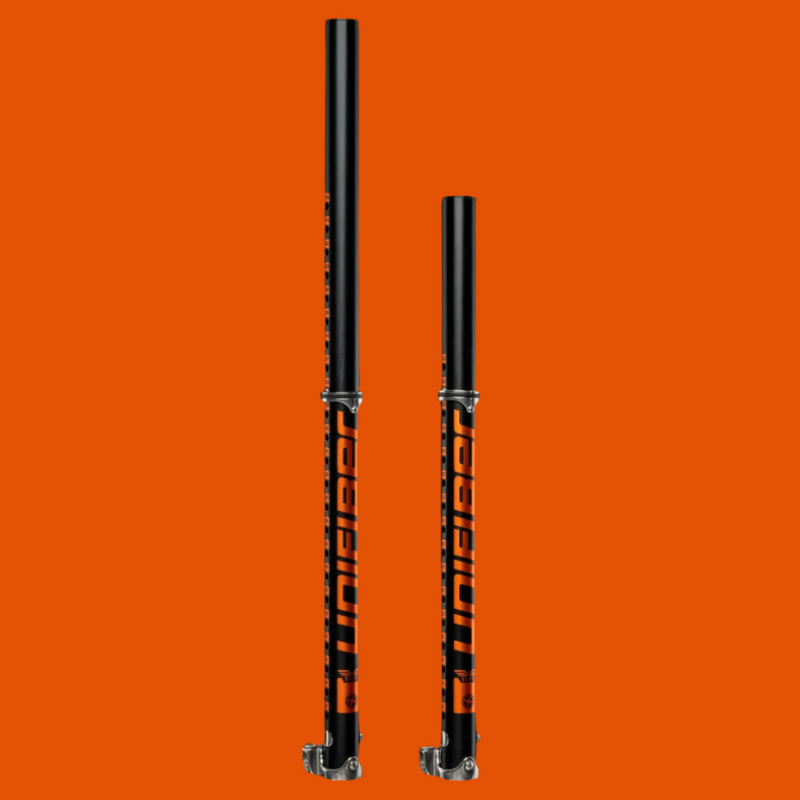

Elite RDM V2 Carbon
100% carbon, top-tier performance. Built for riders who demand the very best.
€229,00
Elite RDM V2 Stainless Steel
Premium stainless steel construction for advanced riders seeking peak performance.
€109,00
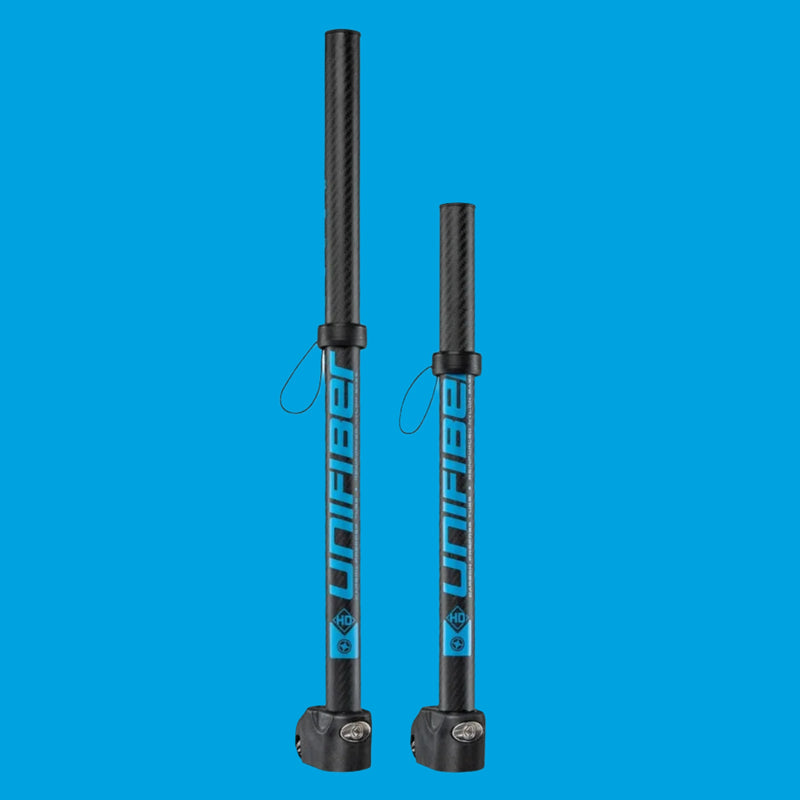

HD RDM Carbon
Lightweight carbon power for demanding conditions. Performance meets durability.
€179,00
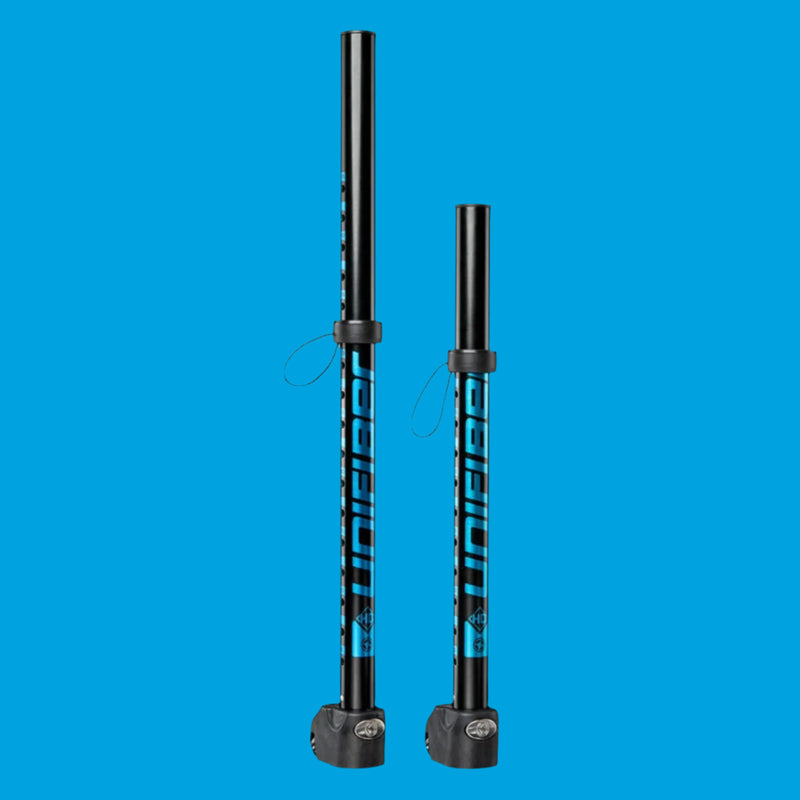
HD RDM Aluminium
Durable aluminium build for wave sailors, racers, and freeriders seeking reliable strength.
€84,95
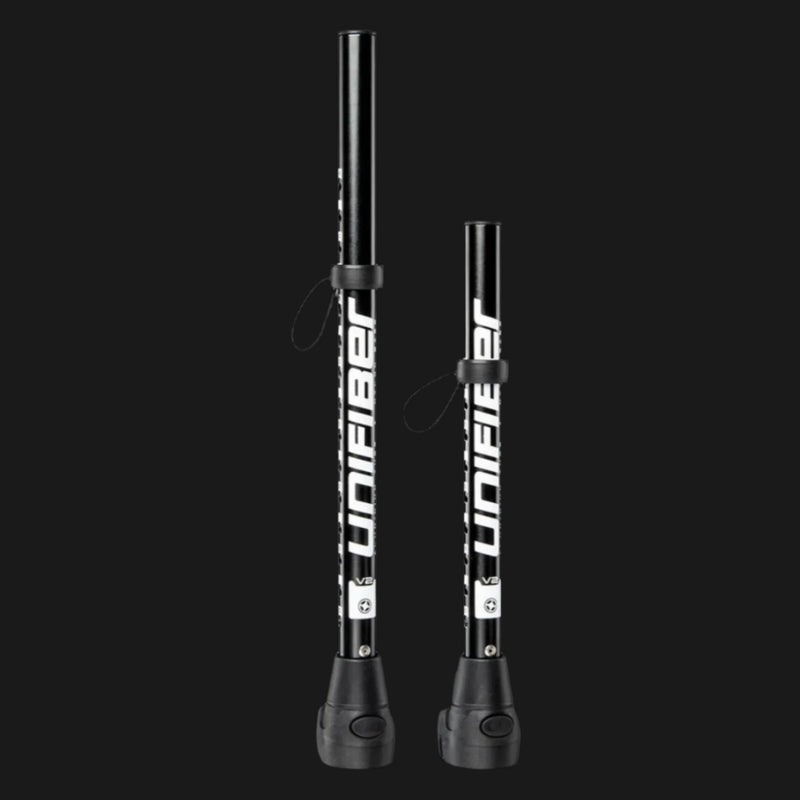

Essentials RDM Aluminium V2
Quality performance at an exceptional value. Ideal for recreational windsurfers.
€64,95
SDM Extensions
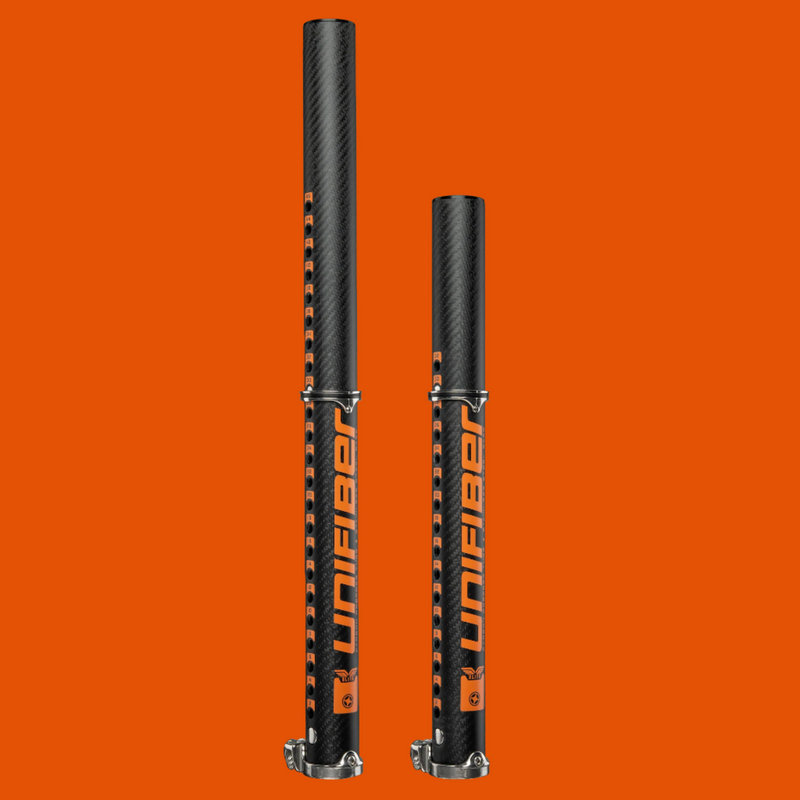
Elite SDM V2 Carbon
Full carbon, maximum performance. The ultimate SDM extension for top riders.
€229,00
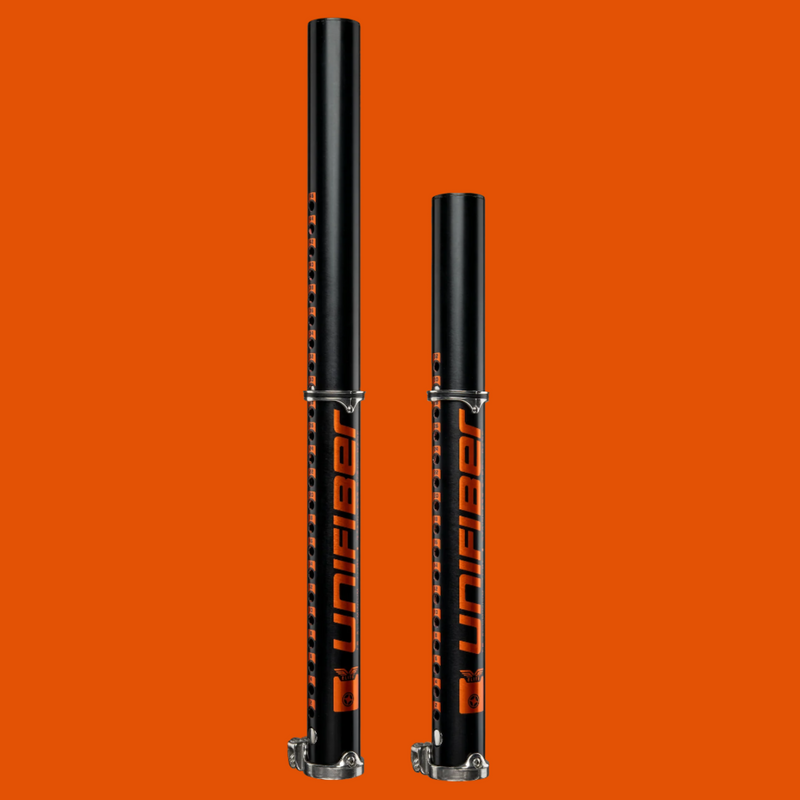
Elite SDM V2 Stainless Steel
Premium stainless steel for advanced riders seeking reliability and performance.
€109,00
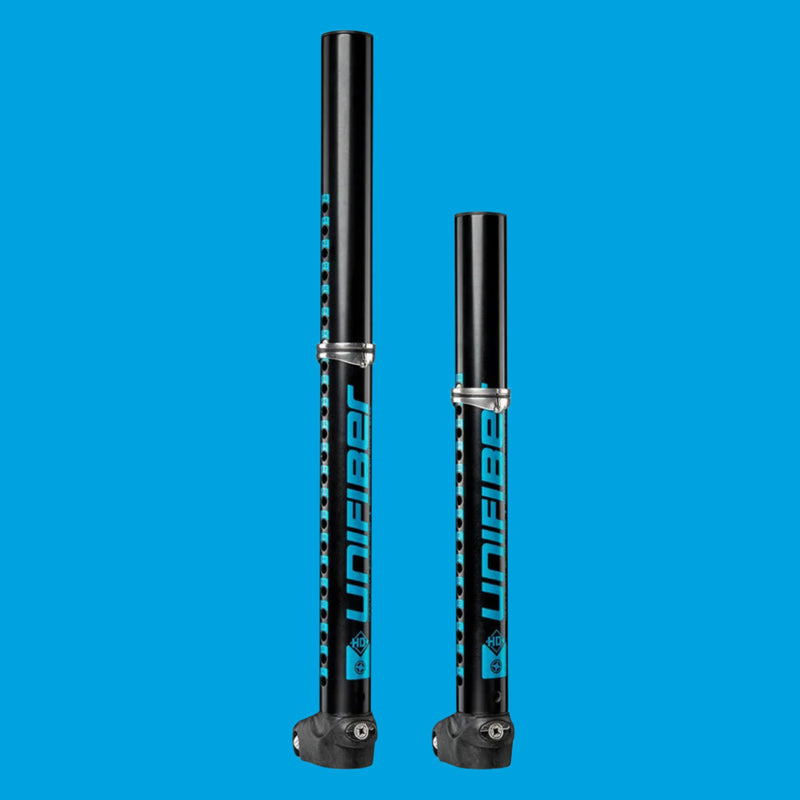
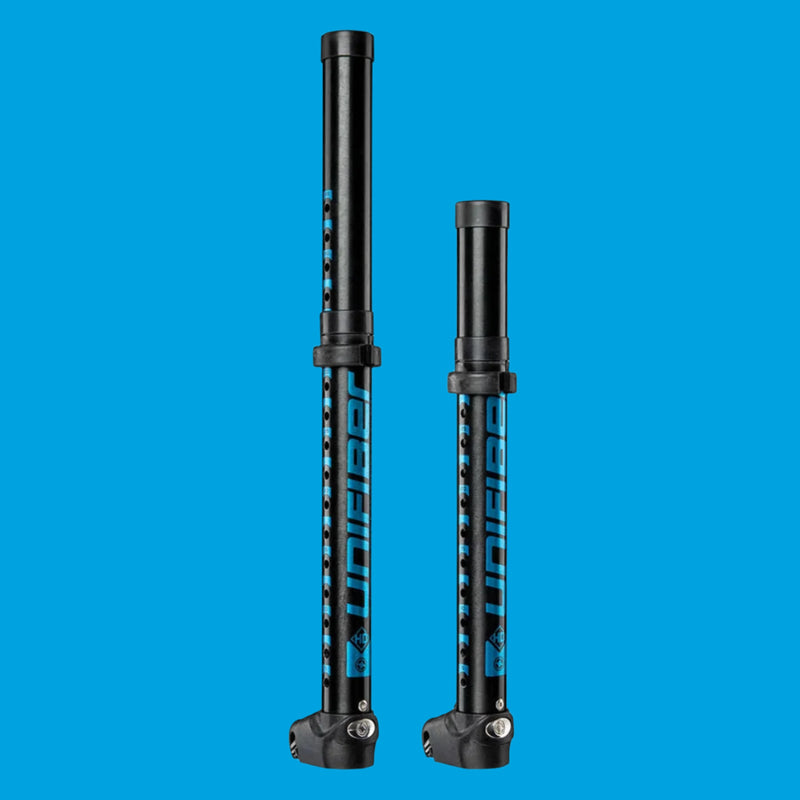
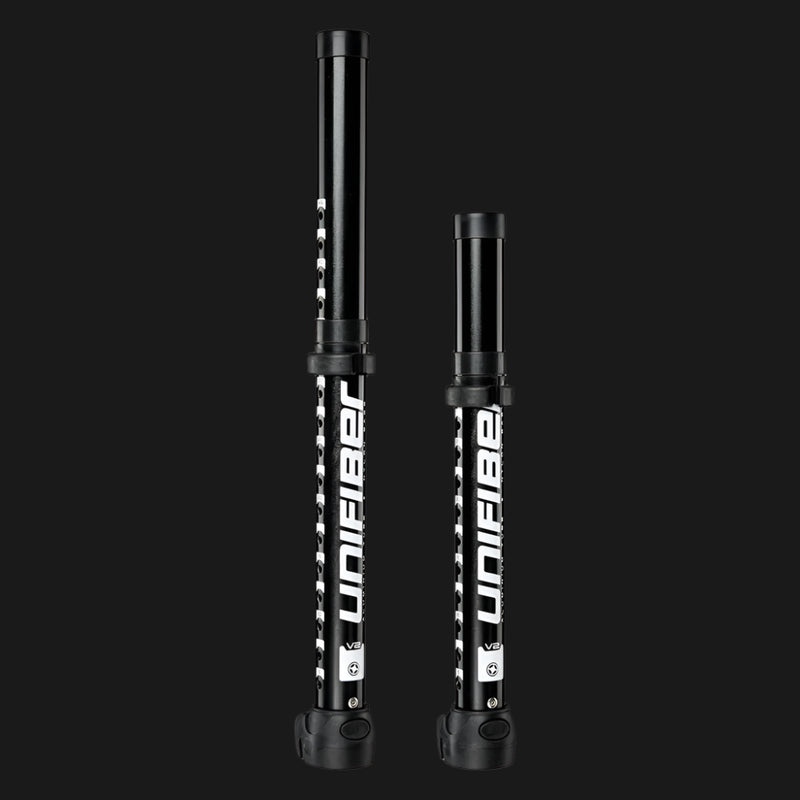
Essentials SDM Aluminium V2
Affordable aluminium extension for recreational windsurfers exploring high-end equipment.
€59,96
Elite V2
The Elite range of mast extensions is designed for riders who demand the very best. Whether you choose the Stainless Steel or 100% Carbon options, each extension is built to meet the needs of advanced riders seeking peak performance.
HD
Our HD Range blends durability and performance, ideal for wave sailors, racers, and freeriders. Choose aluminium for strength or carbon for lightweight power -- both built for demanding conditions.
Essentials
The Unifiber Essentials mast extensions deliver quality performance at an exceptional value, making them ideal for recreational windsurfers and weekend warriors. Designed for reliability and ease of use, they're the perfect choice for those exploring high-end equipment without compromising on affordability.
Extension knowledge
with Ben van der Steen
Ben walks you through the full Unifiber mast extension range -- from Essentials to Elite. Learn how materials, locking systems, and rope quality affect your rigging and on-water performance.
Frequently Asked Questions About Mast Extensions
Choosing the right mast extension is crucial for optimal windsurfing performance
Whether you're a recreational windsurfer or a competitive racer, understanding the technical aspects of mast extensions can significantly impact your sailing experience
Our comprehensive FAQ covers everything from locking mechanisms and pulley systems to rope types and extension lengths, helping you make an informed decision for your specific needs.
What are the different locking mechanism options?
The main systems available are:
- U-pin Push button: Operates with a single-sided plate, suitable for most conditions
- US-Push Pin: Most secure against unwanted disconnection but less ergonomic, requires two-sided operation
How do I choose the right minimum extension length?
Choose an extension with a minimal setting close to 0 if your sail's recommended mast length matches your mast. This prevents adding unnecessary height to your sail's center of effort, maximizing control.
What safety margin should I keep for maximum extension settings?
Always maintain a minimum 5cm safety margin beyond your sail's recommended extension length. Different manufacturers may have varying definitions of recommended settings.
Should I choose a 3 or 4 pulley system?
Match your extension's pulley count to your sail's requirements. While 4-pulley extensions work with 3-pulley sails, optimal rope alignment occurs when pulley counts match.
What's the importance of extension tube diameter?
For SDM masts, slightly thinner tubes reduce the risk of getting stuck due to sand and salt. Thicker tubes offer additional strength but add weight.
How do pulley orientations affect rigging?
Two orientations exist:
- 0 degrees (regular)
- 90 degrees (perpendicular)
Choose an orientation matching your sail for intuitive rigging, though some extensions accommodate both.
What rope types are available for mast extensions?
Three main rope options exist, ranked by quality:
- Basic: Polyester ropes (standard quality)
- Better: Pre-stretched ropes (smoother operation)
- Best: Dyneema® ropes (strongest, lightest, lowest friction)
How does pulley diameter affect performance?
Larger pulley diameters reduce rope friction during downhauling by minimizing rope compression against the pulley.
Are all mast extensions barefoot-friendly?
Not all extensions are comfortable for barefoot sailing. Some minimalist designs have sharp components that may be uncomfortable when adjusting downhaul trim.
Consider this if you prefer sailing barefoot.
Which locking system is more popular in different regions?
U-Pin systems dominate the European market, offering better ergonomics. US-Pin systems remain popular in the USA, featuring simpler designs that perform well in challenging conditions.
What determines a mast extension's durability?
Wall thickness significantly impacts durability. Thicker walls provide greater durability but increase weight. Racing sail users should consider extensions with extra thick walls or carbon construction.
Mast Extensions Knowledge
Your Ride, Our Gear
US-Pin or U-Pin?
U-Pin is the most common locking mechanism -- a single pin that clicks into the mast base with one trigger. US-Pin uses two push-pins for a more robust lock, but it is less ergonomic to operate, especially with cold or wet hands.
RDM or SDM?
These are the two mast diameter families. RDM (Reduced Diameter Mast) is thinner, SDM (Standard Diameter Mast) is the classic size. Always check the compatibility of your extension with your mast diameter before buying.
Number of Pulleys
2-pulley extensions give a 6:1 mechanical advantage. 3-pulley extensions give 8:1 -- more power but also more friction through the system. If you use a 3-pulley extension, your sail block must have 4 pulleys to match. Always rinse pulleys with fresh water after use to prevent salt corrosion.
Aluminium vs Carbon
Carbon tubes are lighter, and the cumulative weight reduction across your full rig setup really matters on the water. Expect to pay 2-3x more for carbon. On the safety side, aluminium bends on failure (giving you a warning), while carbon snaps suddenly.
Tube Thickness
RDM extensions have thicker tube walls than SDM to compensate for the smaller outer diameter. This makes RDM extensions slightly heavier but structurally stronger for the same material.
Collar Types
Simple and reliable. The collar can slide off if not secured, so double-check before rigging.
Same mechanism as Ring & Pin with a stainless steel reinforcement for high-load situations.
Easiest one-hand operation. Can occasionally catch the sail sleeve during rigging.
Push up to open, slide to position, release to lock. Strong and reliable across conditions.
Pulley Diameter
Bigger diameter pulleys reduce friction and make downhauling easier. Worth considering if you rig frequently or use high-tension sails.
Pulley Orientation
0 degrees (regular) vs 90 degrees rotated. Match your extension pulley orientation to your sail block orientation. Avoid crossing lines -- it creates unnecessary friction and accelerates rope wear.
Rope Quality
Standard rope. Adequate for most recreational and intermediate use.
Less elastic, makes downhauling easier and more consistent. Typically 2-3x the price of standard polyester.
Strongest, lightest, and lowest friction. Premium choice at 3-5x the price of standard rope.
Pro Tip
3.8mm Formuline is the go-to rope among pro riders -- if your cleats accept the thinner diameter. Always rinse rope after salt water sessions. Use figure-of-eight knots when working with Dyneema to prevent slipping.
A stainless steel insert in the base that reduces wear between the U-pin and the extension body over time.
Fully stainless steel moulded pulley block. Heavier than standard but guarantees strength under extreme loads.
Stainless steel or aluminium supports at the base-tube junction that prevent flex and fatigue cracking.
A moulded edge that prevents the tack strap from slipping up the extension during use.