


Explore our harnesses.
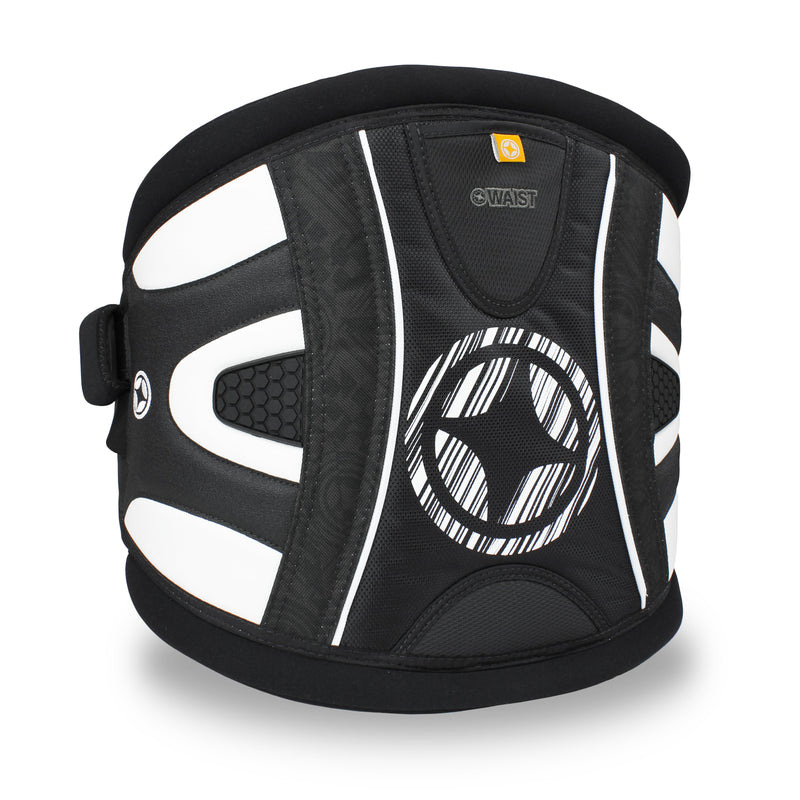
Wave / Freeride Waist Harness
Versatile control without the cost. Wave, freeride, freestyle -- one harness handles it all. Sizes S to XL.
From 109 EUR

Thermoform Waist Harness
Lightweight support with unrestricted freedom of movement. Thermoforming technology for a custom fit. Sizes S to XL.
From 159 EUR
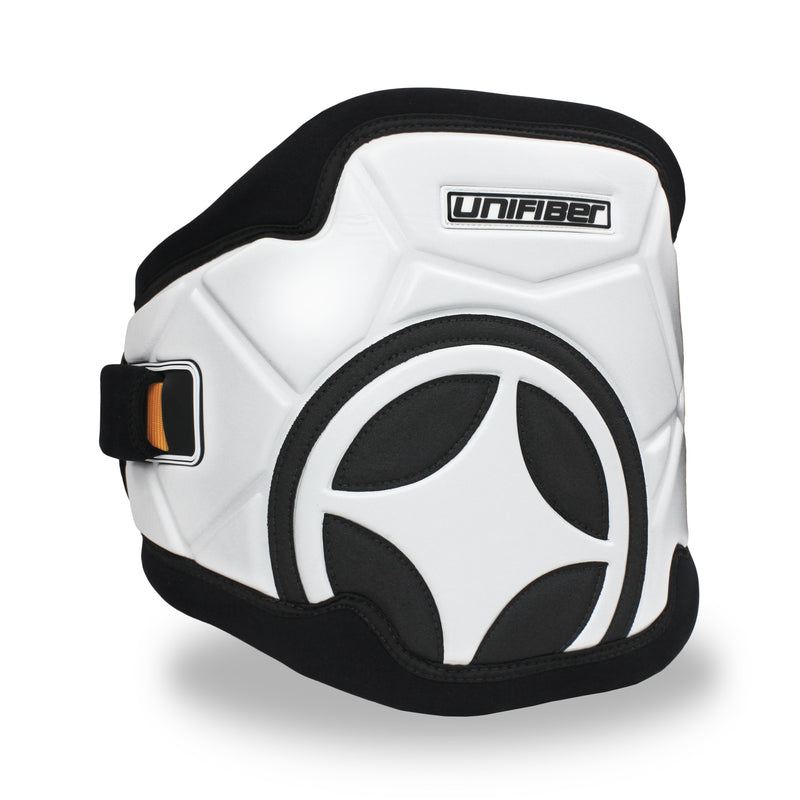
Thermoform Waist FL Harness
Maximum freedom of movement. Half a kilo lighter than most harnesses. Flexible and lightweight. Sizes S to XL.
From 159 EUR
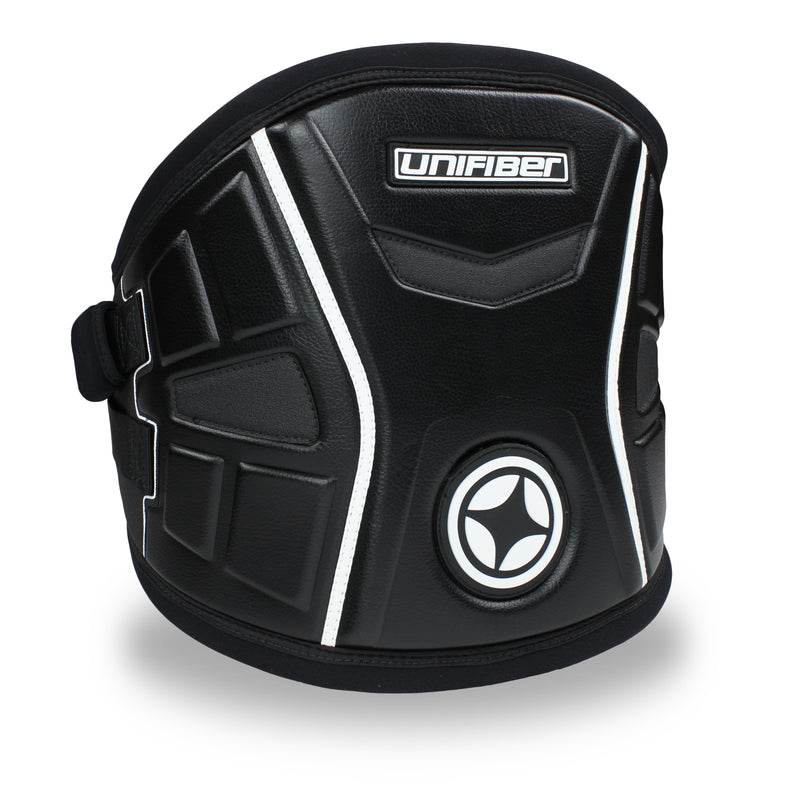
Thermoform Waist SC Harness
Ultimate support and comfort. Pre-shaped construction with spreader-bar pad and V-shaped webbing. Sizes S to XL.
From 159 EUR
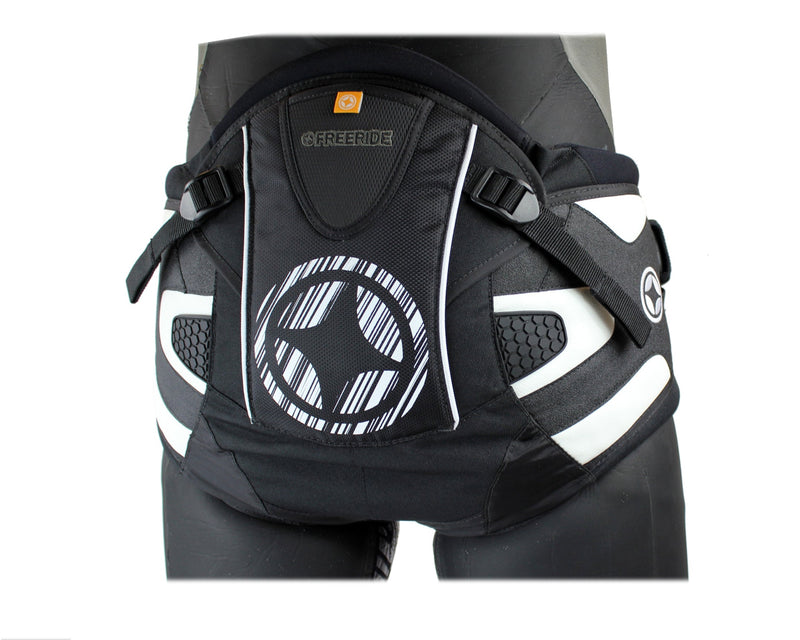
Freeride Harness
Versatile comfort for all conditions. Freedom to move with solid support for cruising, carving, and blasting. Sizes M to XL.
From 99 EUR
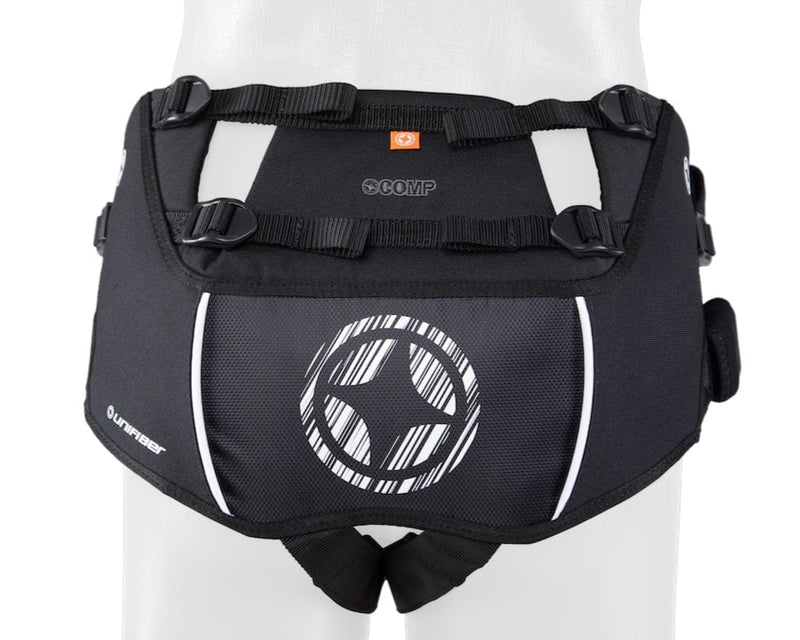
Competition Harness
Smart support for serious sailing. Lightweight and adjustable, built to win. Sizes XS to XL.
From 99.95 EUR
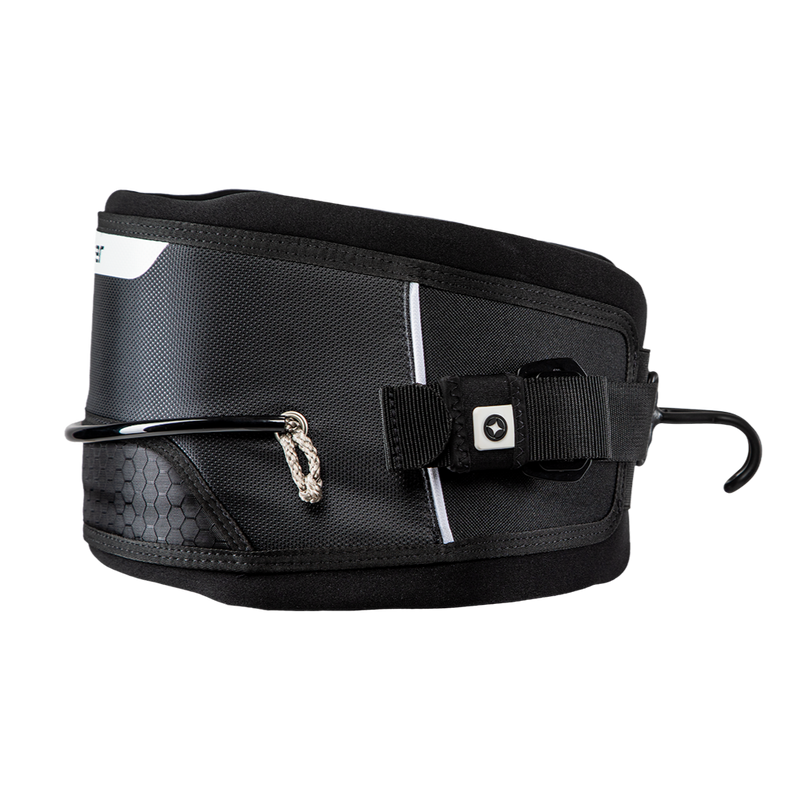
Wingfoil Harness
Purpose-built for wing foiling. Lightweight, low-profile design with secure hook position. Sizes S to XL.
From 89.95 EUR

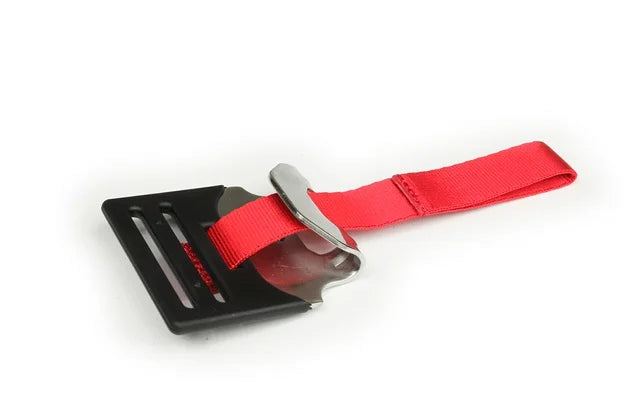
Harness Spreader Bar
Replacement spreader bar. Small and Large sizes available.
50.95 EUR
Unifiber
Harness Knowledge
Your Ride, Our Gear
A well-fitting harness is essential for a long, comfortable day on the water. The right choice depends on your sailing style and body shape.
Waist Harness
Wraps around your lower torso. Higher hook position puts you "on the toes" -- more upright, more agile. The go-to for wave, freestyle and freeride sailing where quick hook-in/out matters.
Seat Harness
Hugs your backside with leg straps. Lower hook for locked-in power control. Traditionally favoured by racers and heavier sailors who want maximum mastfoot pressure.
Most coaches recommend a waist harness for waves and freeriding. For freerace and speed, it comes down to personal preference. Sailors with "hourglass" figures often benefit from a seat harness to keep the hook at the right height.
Bottom line: try both if you can. Your local dealer will help you find the right fit -- and your time on the water will thank you for it.
Hook height has a huge impact on how your rig feels and how you handle power. Getting it right is one of the easiest performance gains.
Low
Typical of race seat harnesses. Locks you in low for maximum power control and free upper body movement. Best for flat water blasting and slalom.
Medium
The sweet spot for most sailors. Good for a mix of blasting, freeriding, jumps and gybes. Freeride seat harnesses or well-fitting waist harnesses sit here.
High
Standard waist harness territory. Very direct feel, easy power-on/off transitions. Ideal for manoeuvre-oriented sailing.
Pro Tips
- Many coaches advise keeping the hook below your belly button
- Harness lines that are too short can cause the hook to ride up -- try longer lines
- Boom height also affects hook position -- experiment to find harmony
- Harnesses with internal body contouring help maintain a steady hook height
Our Range
Thermoformed Waist
Our core model. Pre-thermoformed foam that doesn't absorb water, moulds to your body, stays put. Lightweight and figure-hugging.
Thermoformed Waist SC
Support & Comfort. Pre-shaped inner construction with reinforcement plates that spread loads evenly. Ergonomic spine support pad, V-shaped spreader bar webbing to prevent tilting, spreader bar pad, quick-release buckle, and key pocket. Very high back support, high hook height. 1.43-1.80 kg (S-XL).
Thermoformed Waist FL
Flexible & Light. Sliding hook system instead of spreader bar. Maximum freedom of movement for wave and freestyle.
Standard Waist
Budget-friendly option. Classic polyester construction, lighter when dry. Also available with kite handle.
Construction
Thermoformed harnesses bond structural layers for support, soft foam inside for comfort, and an outer laminate for durability. The result: resistant to sliding, absorbs less water, and grips your body contours.
Spreader Bar
Most models feature a quick-release spreader bar. The FL uses a sliding hook system instead for unrestricted movement.
A harness that fits well makes everything better. One that doesn't will ride up, restrict breathing, or leave you fighting your gear instead of enjoying the ride.
Checklist
- Snug but not tight -- you need to breathe freely
- Should not ride up when hooked in and loaded
- Hook sits at or below belly button level
- No gaps between harness and body
- A well-fitted harness keeps your lower back warm in winter
Common Fixes
- Hook rides up? Try longer harness lines or a harness with better body contouring
- Can't get comfortable? Different body shapes suit different styles -- try both waist and seat
- Unsure about size? Visit your local dealer, try it on, and get fitted properly
If in doubt, book a session with an experienced coach. Getting the harness right is one of the best investments you can make in your sailing.
Two of our ambassadors share their experience on the waist vs seat debate.
Miriam Rasmussen -- Slalom Racer
Started racing in Norway with a seat harness and never looked back. The precise, locked-in feeling is hard to beat when pushing heavy slalom rigs. Tried a waist harness once but couldn't get used to it moving around. For her, the seat harness delivers consistent, body-weight-powered thrust into the rig -- exactly what racing demands.
Steve Thorp -- Speed & Wave Rider
Grew up on seat harnesses for slalom, switched to waist for freestyle and waves -- and never went back. Now uses a waist harness for everything, including speed runs. When overpowered, he finds it easier to manage gusts: sheet out, stand more upright, or drop lower without being tied to the rig. For waves and freestyle, the freedom of movement and quick hook-in/out make it the clear winner.
The takeaway: both work. It depends on your style, body shape, and what feels right. The best way to know is to try both on the water.